Gateway Cities
- Manaus: A jungle metropolis. Its crown jewel is the pink Renaissance-style Teatro Amazonas, built during the Rubber Boom.
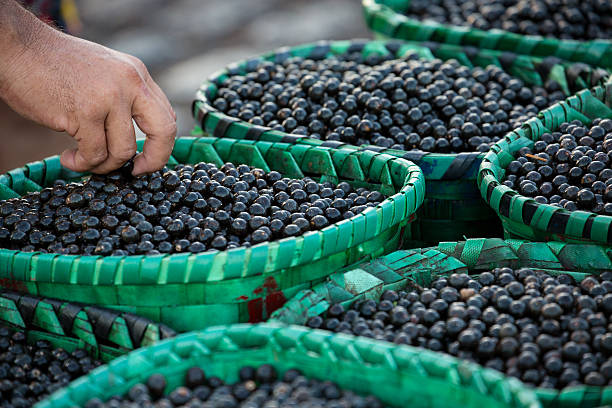
- Belém: Famous for the Ver-o-Peso market, where you can find everything from fresh açaí to medicinal herbs.
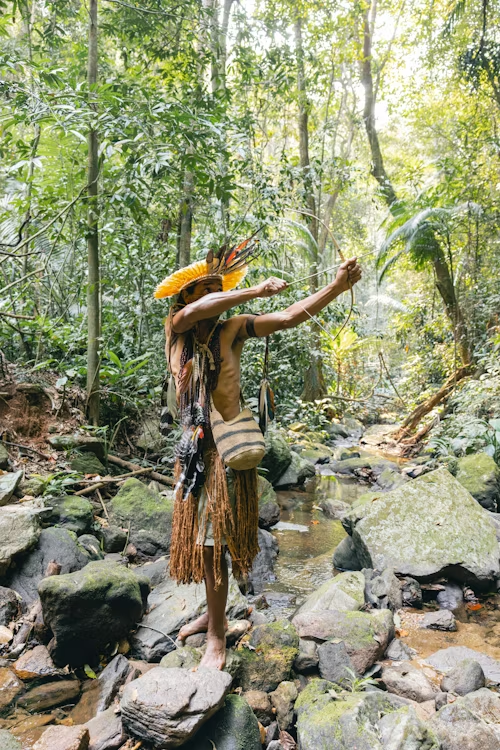
A journey into the Amazon is a return to the source of life itself. Our 2026 expeditions focus on high-comfort, low-impact eco-lodges situated deep within the Anavilhanas Archipelago. Imagine waking up in a stilted bungalow to the sound of macaws, followed by a silent canoe trip through "igapós" (flooded forests) to spot pink river dolphins. As the sun sets, the jungle transforms into a symphony of sound; our expert guides will lead you on night safaris to catch the glint of a caiman’s eye or the rustle of a sloth high in the canopy. If Bahia is the soul and Rio is the face, the Amazon (Amazonia) is the very breath of Brazil and the planet. It is an immense, living labyrinth of water and wood that defies the imagination. Spanning nine Brazilian states (with Amazonas and Pará being the primary hubs), it represents over half of the planet's remaining rainforests.
Near the city of Manaus, one of nature’s most surreal phenomena occurs at the Meeting of Waters (Encontro das Águas). Here, the dark, tea-colored Rio Negro converges with the sandy, pale Rio Solimões. Due to distinct differences in temperature, speed, and density, these two massive rivers flow side-by-side without mixing for 6 kilometers before finally merging to form the mighty Amazon River. This region is far more than just a vast expanse of trees; it serves as a global pharmacy, a natural supermarket, and a home. The Amazon’s biodiversity is staggering, housing 10% of the world's known species, ranging from the elusive jaguar and pink river dolphins to the giant Victoria amazonica water lilies. This landscape is also the ancestral territory of 300+ Indigenous ethnic groups, who act as the primary guardians of the forest’s ancient knowledge and ecological balance.
The region’s gateway cities offer a unique blend of urban history and wild nature. Manaus stands as a jungle metropolis, while Belém sits at the mouth of the Amazon, acting as a bustling hub of traditions.
Amazonian cuisine is the most distinct in Brazil, deeply rooted in the forest's biodiversity:
The Big News: COP30 Legacy